
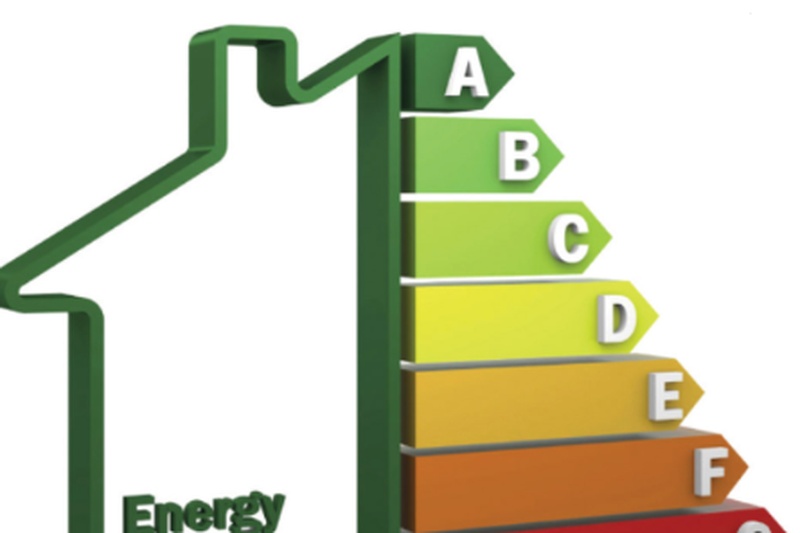
EU Energy Building Performance Directive
IMPORTANT NOTE: UKSFA is NOT a Regulatory Body. This document is for information only and is not advice. Readers should consult with the appropriate Regulatory Body before undertaking any action.
Europe’s ambitions for a low-carbon built environment are reshaping construction markets well beyond its borders. The recast Energy Performance of Buildings Directive (EPBD), designed to accelerate the transition to climate-aligned buildings, could become one of the most influential policies in the global construction landscape.
Although the UK is no longer bound by EU law, the directive’s impact is already being felt through supply chain expectations, client demands, and the gradual alignment of British regulatory reforms with European norms. At its core, the EPBD seeks to reduce emissions by improving energy efficiency, phasing out fossil-fuel heating, and embedding whole-life carbon measurement into building design and refurbishment. While focused on buildings, its implications extend directly to the flooring sector.
Key requirements
The EPBD introduces several measures that will influence product selection and project evaluation. Whole-life carbon reporting will link material choices to a building’s environmental performance, increasing demand for low-carbon products supported by credible Environmental Product Declarations (EPDs).
Building renovation is positioned as a major growth driver, with large-scale retrofit programmes prioritising thermal performance, indoor health, and low-impact materials. This creates clear opportunities for flooring manufacturers and contractors involved in refurbishment.
The introduction of Digital Building Passports (DBPs) and Digital Product Passports (DPPs) will also require structured, accessible data on installed products, including environmental performance. Even as the UK develops its own regulatory framework, similar expectations around product transparency and digital data are emerging.
Why the flooring industry should pay attention
Alongside durability, aesthetics and cost, embodied carbon is now a critical consideration for specifiers working on projects that require lifecycle emissions disclosure – which includes flooring materials.
Lifecycle transparency is also shifting from optional to essential. EPDs, recycled content data, chemical transparency and end-of-life pathways are increasingly central to commercial success. Companies investing early in robust reporting frameworks may gain both regulatory and reputational advantages.
Circularity is fast-moving to the forefront. Products designed for reuse, repair or recycling, supported by take-back schemes and modular design, align closely with EPBD principles and wider net-zero goals.
Additionally, many clients operate across the UK–EU markets. Even without direct UK adoption of the EPBD, these organisations may expect EPBD-aligned data on UK projects. At the same time, ongoing UK regulatory consultations suggest a similar direction of travel, with greater emphasis on traceability, environmental performance and digital integration.
Practical actions for UK flooring businesses
Investing in high-quality environmental data, including lifecycle assessments and EPDs, will certainly help businesses stay competitive. Reviewing product portfolios through a carbon lens will also help identify risks and opportunities, particularly where lower-carbon or recycled materials can be introduced.
Strengthening circularity initiatives, such as take-back schemes and durable product design, will support both compliance and market demand. Preparing for digital product data requirements is also critical, ensuring information is accurate, structured and accessible.
Engaging early with evolving UK regulations will assist businesses in anticipating change and position themselves effectively in a market increasingly shaped by carbon, transparency and sustainability.